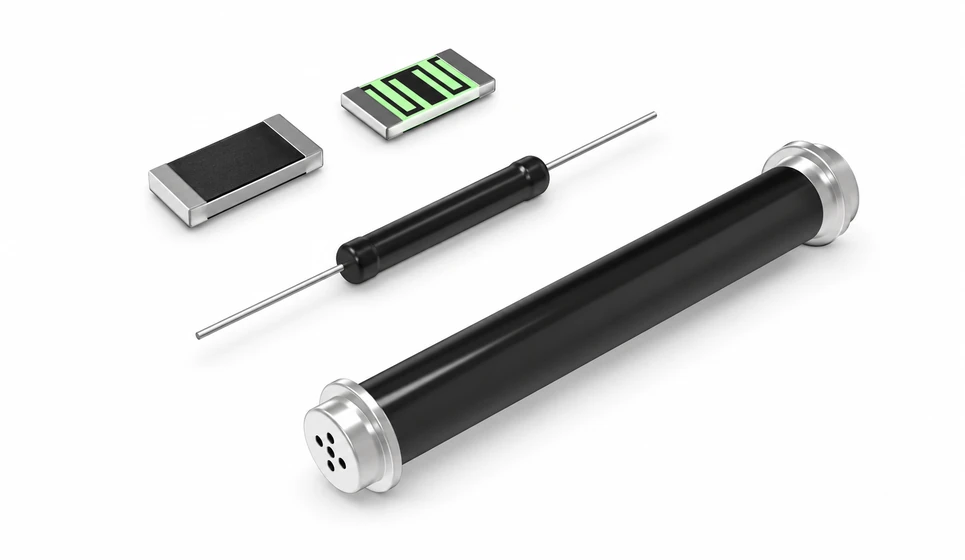
How to Select an RI80 High-Voltage Glass-Glazed ResistorA practical guide to RI80 thick-film construction, resistance, continuous power, working voltage, divider error, pulse energy, and prototype validation.Read more ↗Author: INLANX Resistor Experts
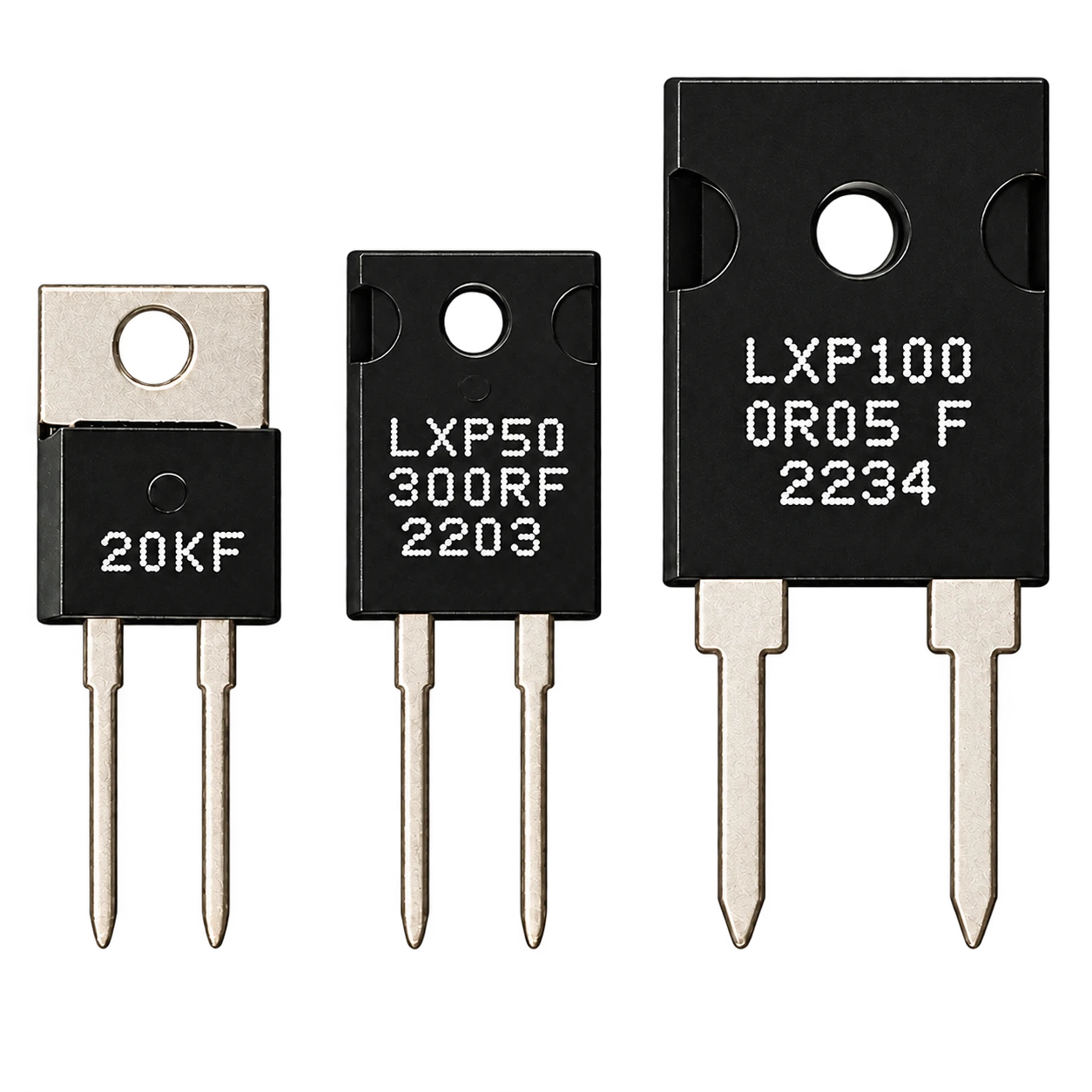
High-quality thick-film resistor manufacturer in ChinaIn switching power supplies, industrial drives and power conversion equipment, resistors must not only achieve target resistance values but also withstand sustained power dissipation and transient loads under realistic thermal conditions. When selecting a thick film resistor manufacturer, electrical parameters, package structure, thermal design and sample verification capabilities should also be checked. INLANX offers the LXP-HXP power thick film non-inductive resistor series, providing a selection basis for different power levels and installation spaces.Read more ↗Author: INLANX Resistor Experts
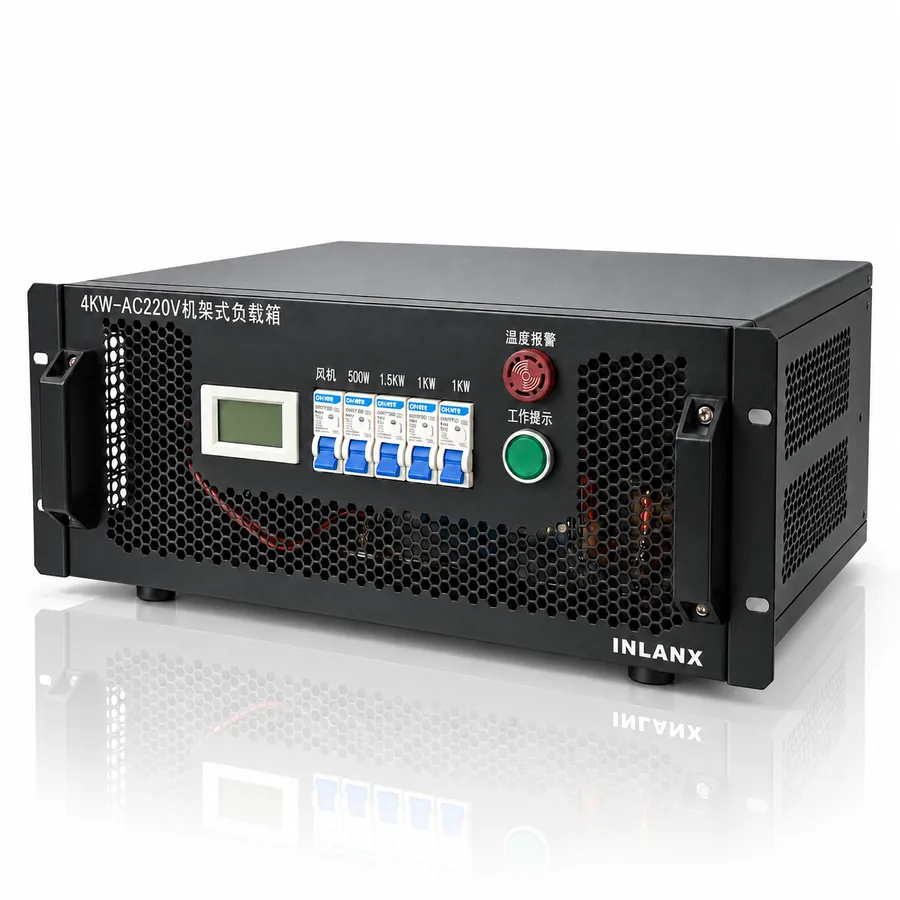
Rack-mounted load banks: operation, load-step switching and thermal selectionTurning electrical energy into heat in a controllable manner - how does the load box "burden" the generator, UPS and computer room busbar? Why is the power switched in steps instead of continuously adjustable? How to choose between air cooling and liquid cooling? This article talks about the principles and selection, and uses Yinlang’s own series of rack-mounted load boxes to compare them one by one.Read more ↗Author: INLANX Resistor Experts
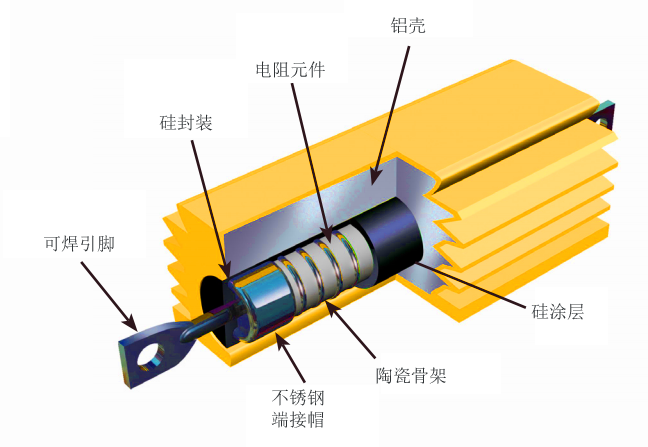
EV high-voltage precharge resistors: operation, construction and selectionThe precharge resistor reduces the electrical impact on the contactor and capacitor by limiting the inrush current when the high-voltage battery charges the DC bus capacitor. This article combines the structure diagram, circuit diagram and timing diagram to sort out its working process and selection parameters.Read more ↗Author: INLANX Resistor Experts
RTP high-voltage thick-film resistors for safety in new-energy equipmentThis article explains selection checks for RTP high-voltage thick-film resistors in DC-link discharge, high-voltage sensing, current limiting, capacitor voltage balancing and surge buffering in new-energy equipment. Suitability must be based on model data, actual operating conditions, insulation, cooling and prototype validation. Series names or fixed multipliers cannot replace engineering confirmation.Read more ↗Author: INLANX Resistor Experts
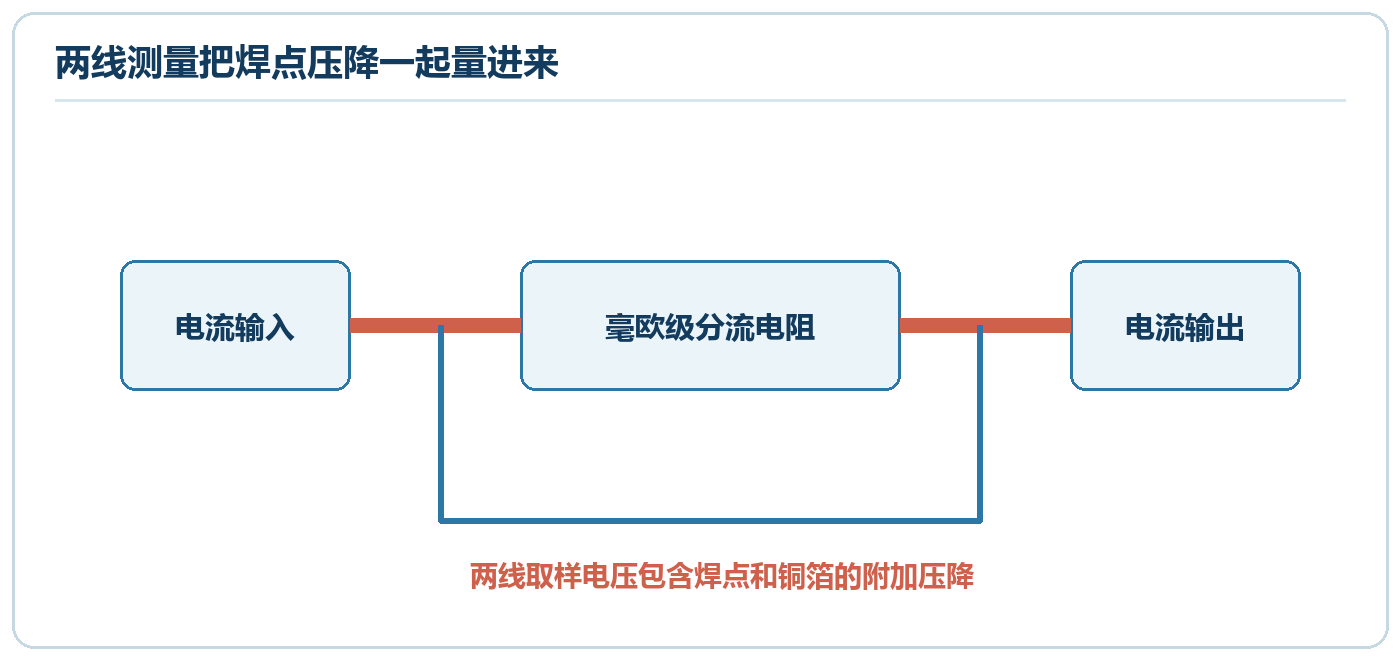
Selecting a shunt resistor for isolated current measurementFirst use the full-scale input and maximum current to determine the resistance, and then let power consumption, PCB heat dissipation, packaging, and sampling methods all determine the final device.Read more ↗Author: INLANX Resistor Experts
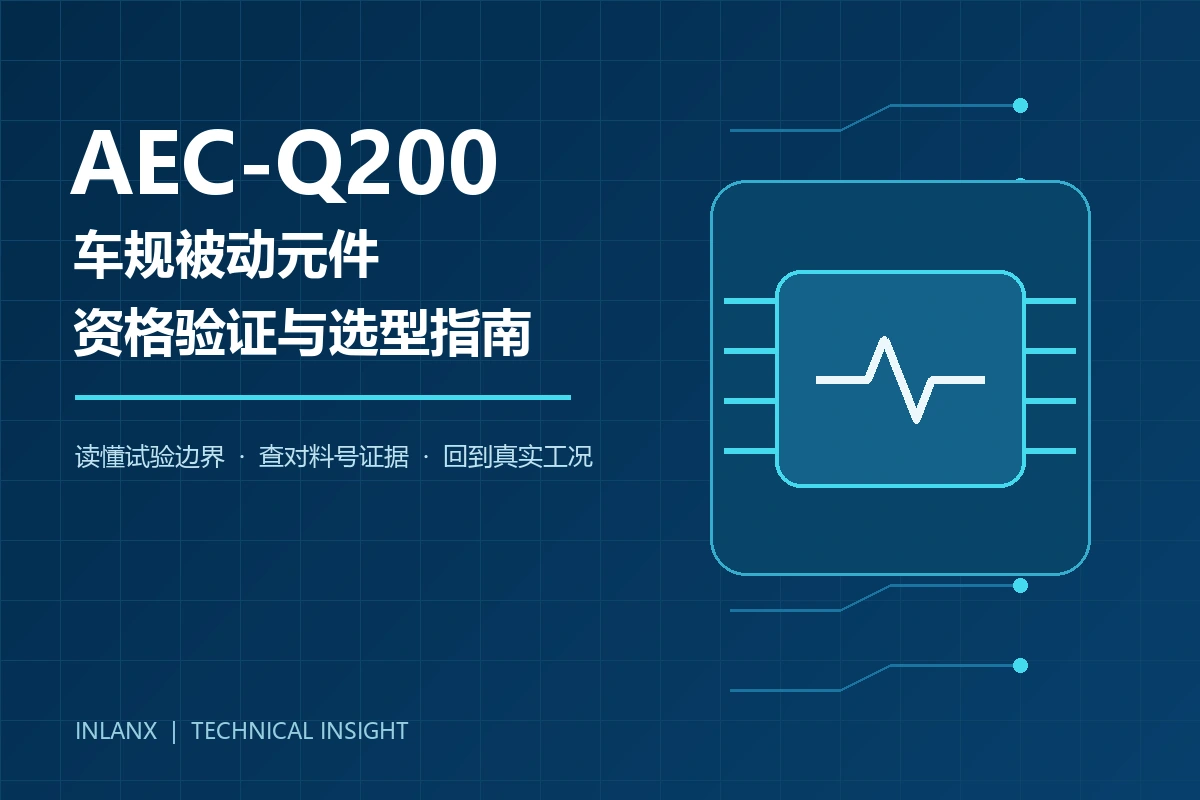
Understanding AEC-Q200 and selecting automotive passive componentsBased on the AEC-Q200 Rev E official document, understand the qualification verification, test boundaries and report verification methods of automotive passive components, and provide executable selection steps using resistors as an example.Read more ↗Author: INLANX Resistor Experts
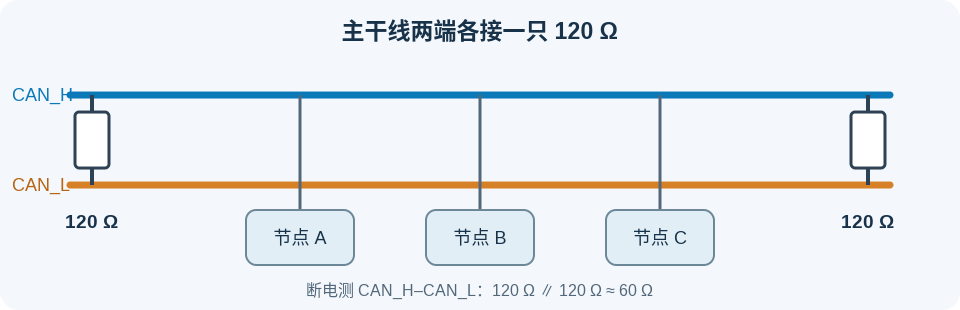
Why use a 120 Ω CAN bus termination resistor, often rated 0.25 W?From the transmission line matching, two-end connection method and power consumption calculation, explain the resistance value and power selection of CAN terminal resistor.Read more ↗Author: INLANX Resistor Experts
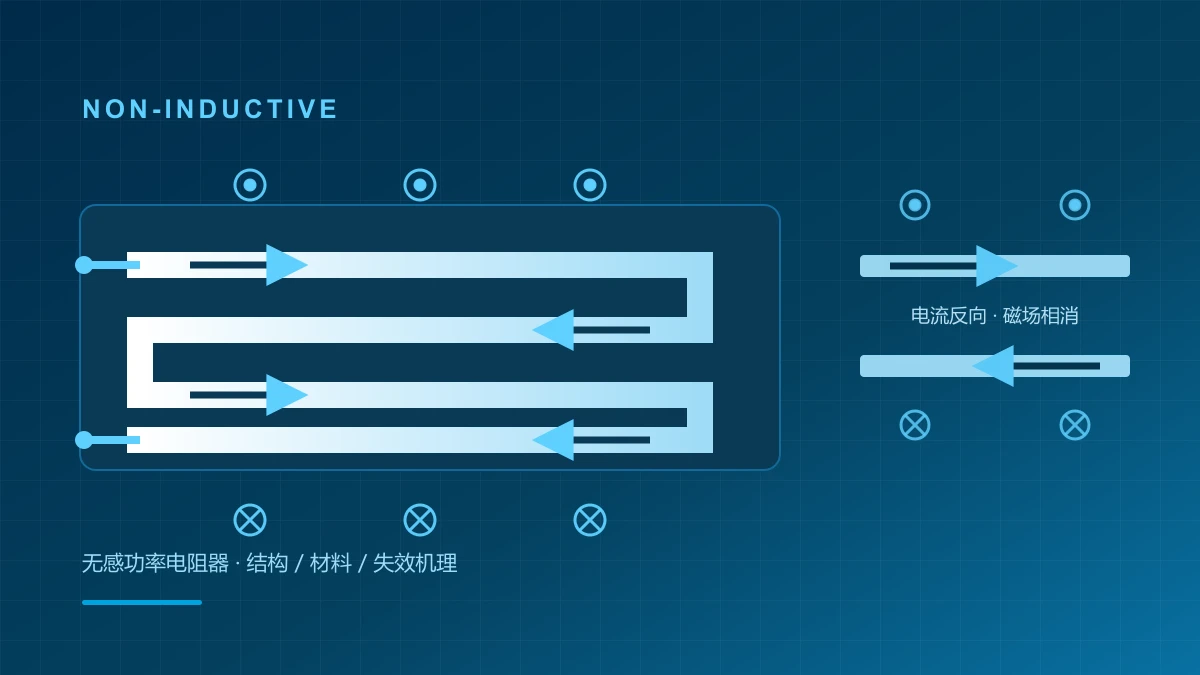
Non-inductive power resistors: structure, materials and failure modesFrom meander trimming to electrochemical migration — how non-inductive resistors work, and why they fail.Read more ↗Author: INLANX Resistor Experts